_edited.png)
Discover the Science Behind Effective PCOS Diets: Evidence-Based PCOS Diet Solutions
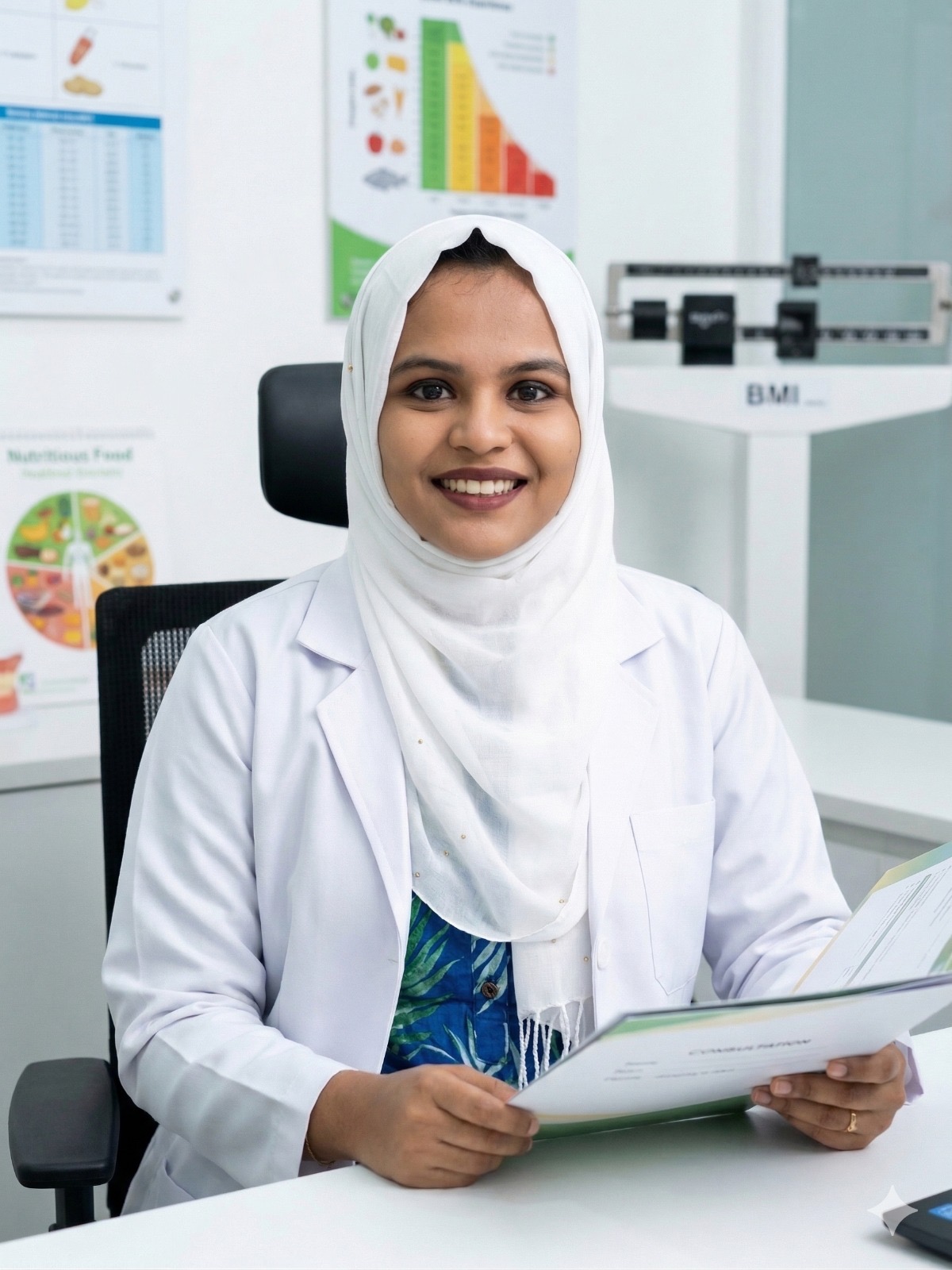
Living with PCOS can feel overwhelming, especially when it comes to managing your diet. You might have heard countless tips and tricks, but what really works? I want to share with you the science behind effective PCOS diets and how you can use this knowledge to make smart, nourishing choices every day. Together, we’ll explore evidence-based PCOS diet solutions that are practical, simple, and tailored to support your health journey.
Understanding PCOS and Why Diet Matters
Polycystic Ovary Syndrome (PCOS) is a hormonal condition that affects many aspects of your body, including insulin levels, weight, and inflammation. When insulin resistance is part of the picture, your body struggles to use insulin effectively, which can lead to higher blood sugar and weight gain. This is why diet plays a crucial role in managing PCOS symptoms.
Eating the right foods can help balance your hormones, improve insulin sensitivity, and reduce inflammation. It’s not about strict dieting or deprivation. Instead, it’s about choosing foods that support your body’s unique needs. For example, focusing on low glycemic index (GI) foods helps keep blood sugar stable, which is essential for managing PCOS.
Here’s a quick example: swapping white bread for whole grain or multigrain options can make a big difference. Whole grains release sugar slowly, preventing spikes in blood sugar and insulin. This simple change can help reduce cravings and support weight management.
Evidence-Based PCOS Diet Solutions You Can Trust
When it comes to PCOS, not all diets are created equal. The best approach is one backed by science and tailored to your body’s needs. Research shows that certain dietary patterns can improve PCOS symptoms significantly.
Focus on Balanced Macronutrients
A balanced diet with the right mix of carbohydrates, proteins, and fats is key. Here’s what works best:
Carbohydrates: Choose complex carbs like whole grains, legumes, and vegetables. These have a low GI and provide steady energy.
Proteins: Include lean proteins such as chicken, fish, tofu, and lentils. Protein helps keep you full and supports muscle health.
Fats: Healthy fats from sources like nuts, seeds, avocado, and olive oil help reduce inflammation and support hormone production.
Prioritize Fiber-Rich Foods
Fiber is your friend when managing PCOS. It slows down digestion, helping control blood sugar and insulin levels. Plus, fiber supports gut health, which is increasingly linked to hormone balance.
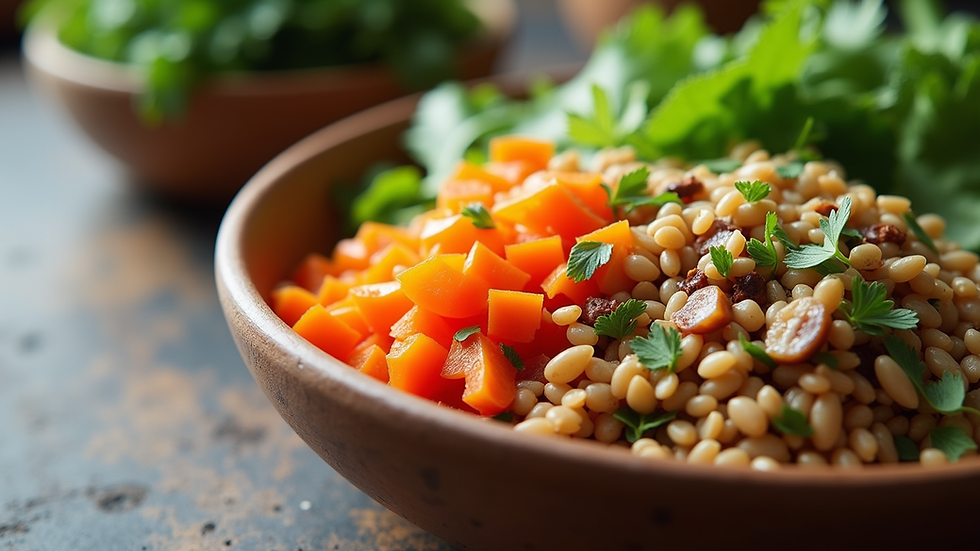
Try to include plenty of vegetables, fruits, and whole grains in your meals. For example, a bowl of mixed vegetable stir-fry with brown rice or a lentil salad with fresh greens can be both delicious and nourishing.
Limit Processed and Sugary Foods
Processed foods and added sugars can worsen insulin resistance and inflammation. Cutting back on sugary drinks, sweets, and packaged snacks can help your body regulate hormones better.
Instead of reaching for a sugary treat, try fresh fruit or a handful of nuts. These options satisfy cravings without causing blood sugar spikes.
How to Personalize Your PCOS Diet for Lasting Results
No two bodies are the same, and your PCOS diet should reflect that. Personalization is about listening to your body and adjusting your food choices accordingly.
Keep a Food and Symptom Journal
Tracking what you eat and how you feel can reveal patterns. You might notice certain foods trigger bloating, mood swings, or energy dips. Use this information to tweak your diet.
Experiment with Meal Timing
Some people with PCOS find that eating smaller, frequent meals helps maintain stable blood sugar. Others prefer intermittent fasting or time-restricted eating. Find what suits your lifestyle and energy needs.
Work with a Nutrition Expert
If you want tailored guidance, consulting a dietitian familiar with PCOS can be a game-changer. They can help you create a meal plan that fits your preferences, culture, and health goals.
The Role of Exercise and Lifestyle Alongside Diet
Diet is powerful, but it works best when combined with other healthy habits. Regular physical activity improves insulin sensitivity and supports weight management. Even a daily 30-minute walk can make a difference.
Stress management is also crucial. High stress can worsen hormonal imbalances. Practices like yoga, meditation, or simply spending time in nature can help you feel calmer and more balanced.

Embracing a Science Backed Diet for PCOS
If you want to dive deeper into the research and find reliable resources, I recommend exploring a science backed diet for PCOS. This approach combines the latest scientific findings with practical advice to help you make informed choices.
Remember, managing PCOS is a journey. It’s about progress, not perfection. By focusing on nourishing your body with the right foods, staying active, and caring for your mental health, you’re setting yourself up for lasting wellness.
Taking the First Step Toward Nourishing Your Body
Starting a new diet can feel intimidating, but it doesn’t have to be. Begin with small changes, like adding more vegetables to your plate or swapping sugary snacks for nuts. Celebrate each step forward.
You have the power to take control of your health with knowledge and kindness toward yourself. The science behind effective PCOS diets is clear, and with the right support, you can thrive.
Here’s to your health and happiness on this journey!


Comments